top of page


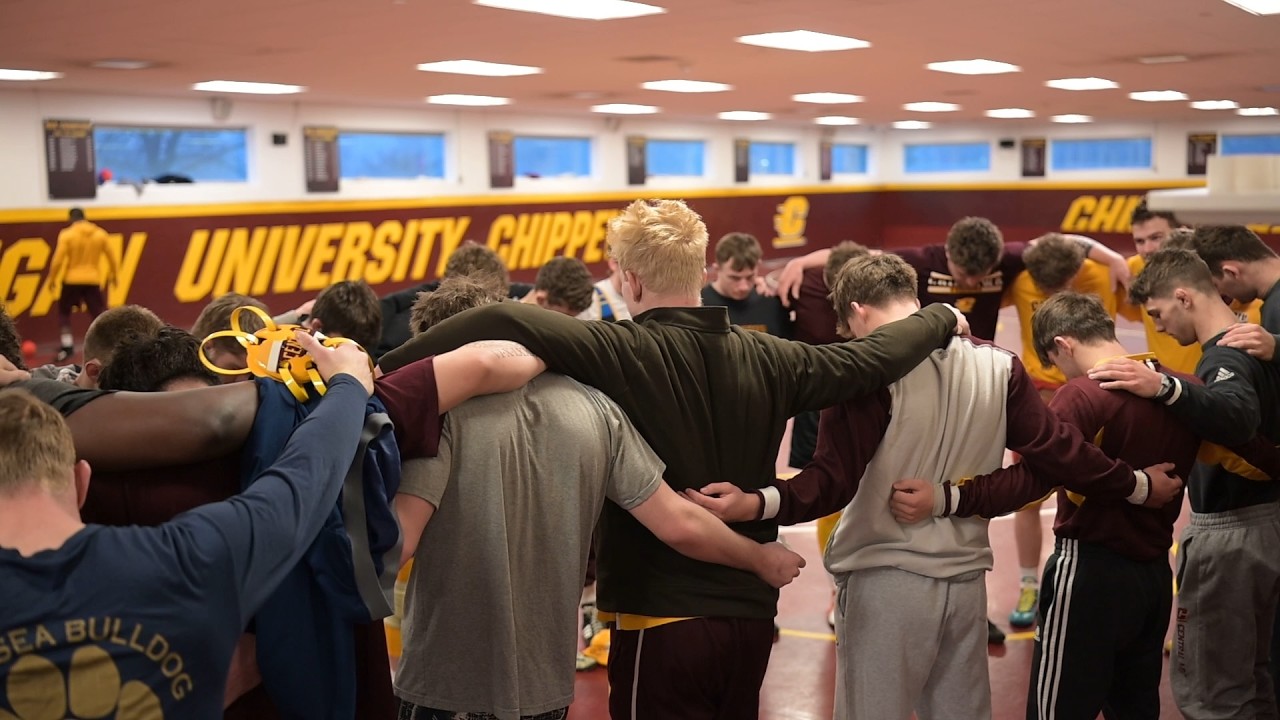
Carrying The Chippewa Legacy: CMU Wrestling
At Central Michigan University, wrestling is more than wins and losses. It is a legacy built over decades. When Ben Bennett became head coach, he stepped into a program shaped by 33 years under longtime coach Tom Borrelli. But Bennett is not a stranger to that tradition. He wrestled at CMU, returned as an assistant coach and spent 16 seasons learning what the Chippewa standard truly is. “It was bittersweet,” Bennett said about taking over. “But it was an honor.” In his first
Thought Piece #5
Through these last chapters the book really highlights how much responsibility falls on the editor to make intentional choices. Editing isn’t just about putting clips together, it is about constantly asking whether what is on the screen is clear, necessary and actually serving toward the story. It made me realize that a lot of my past editing decisions have been based on what I think looks good or attachment rather than clarity. Moving forward, I want to be more in the mindse
Thought Piece #4
Reading this part of HTSVTDS has really changed how I think about videos, especially when it comes to projects that are supports to feel read and engaging instead of overly produced. Storytelling really comes down to your intentions and restraints. A lot of the advice in the book wasn’t about doing more, it was actually about doing less and being more thoughtful about what you choose to shoot and display. That mindset is something I really want to carry into my own work, espe
Thought Piece #3
Reading pages 96-156 of How to Shoot Video That Doesn’t Suck made me realize how often I rely on post-editing to fix my mistakes instead of being more intentional while shooting. Coming from a photography and photojournalism background, I am used to focusing on capturing strong individual moments, but this chapter really pushes me to think more about how shots connect and flow together in video. One idea that really stood out to me was in-camera editing. I always tend to over
Thought Piece #2
One of the biggest things I took away from these chapters is how much work actually needs to happen before you ever press record. I usually feel most confident once I’m already shooting, figuring things out as I go, but this reading made it really clear that good video doesn’t just happen in the moment. It starts with knowing what kind of video you’re making and what you’re trying to say. The section on genre, stood out to me because I don’t always think about it intentionall
Thought Piece #1
Before reading this section of the book, I didn’t really think about video as something people actively choose to watch or stop watching. I usually just focused on capturing what was happening and assumed that if the moment mattered, people would sit through it. This reading made me realize how unrealistic that mindset is. People don’t owe a video their time, even if the topic is important. If it doesn’t grab the viewers’ attention, they’re going to leave. That idea alone mad
bottom of page