


A Closer Look at Hunger in the U.S.
Food insecurity remains a persistent issue across the United States, affecting millions of households each year. Defined as limited or uncertain access to adequate food, the issue is closely tied to income, employment and cost of living.
Despite ongoing efforts to reduce hunger, recent data shows that food insecurity continues to impact communities nationwide. Looking at where it occurs and how it has changed over time helps provide a clearer understanding of the issue.
Source: Feeding America
Food insecurity exists in every state, though its severity varies by region. Higher rates are often found in Southern states and rural areas, where access to affordable food and economic resources can be more limited.
Source: USDA ERS
Food insecurity decreased from about 12.7% in 2015 to around 10.2% in 2021. However, it then increased quickly, reaching nearly 13.7% by 2024. This shows that after several years of improvement, food insecurity has recently started to rise again.
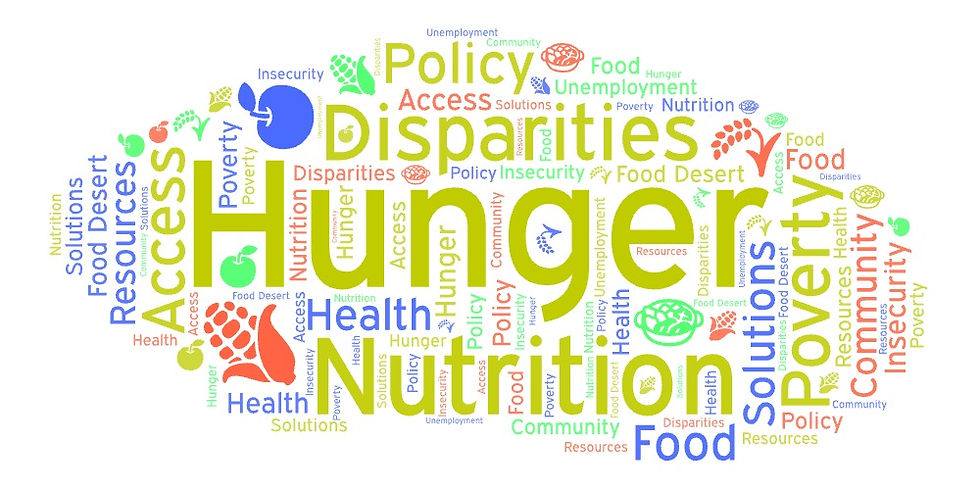
Food insecurity is influenced by a range of factors beyond just income. Terms such as “poverty,” “access,” “nutrition” and “health” highlight how the issue is connected to broader social and economic conditions, including employment, community resources and food availability.
Food insecurity continues to affect millions of people across the United States, shaped by both geographic and economic factors. While efforts to address hunger have made progress over time, recent increases suggest that access to food remains an ongoing challenge.
What do you think is the biggest cause of food insecurity?
Unemployment
Low income
High cost of living
Lack of access to grocery stores


Comments